
What are Zoonotic Diseases?
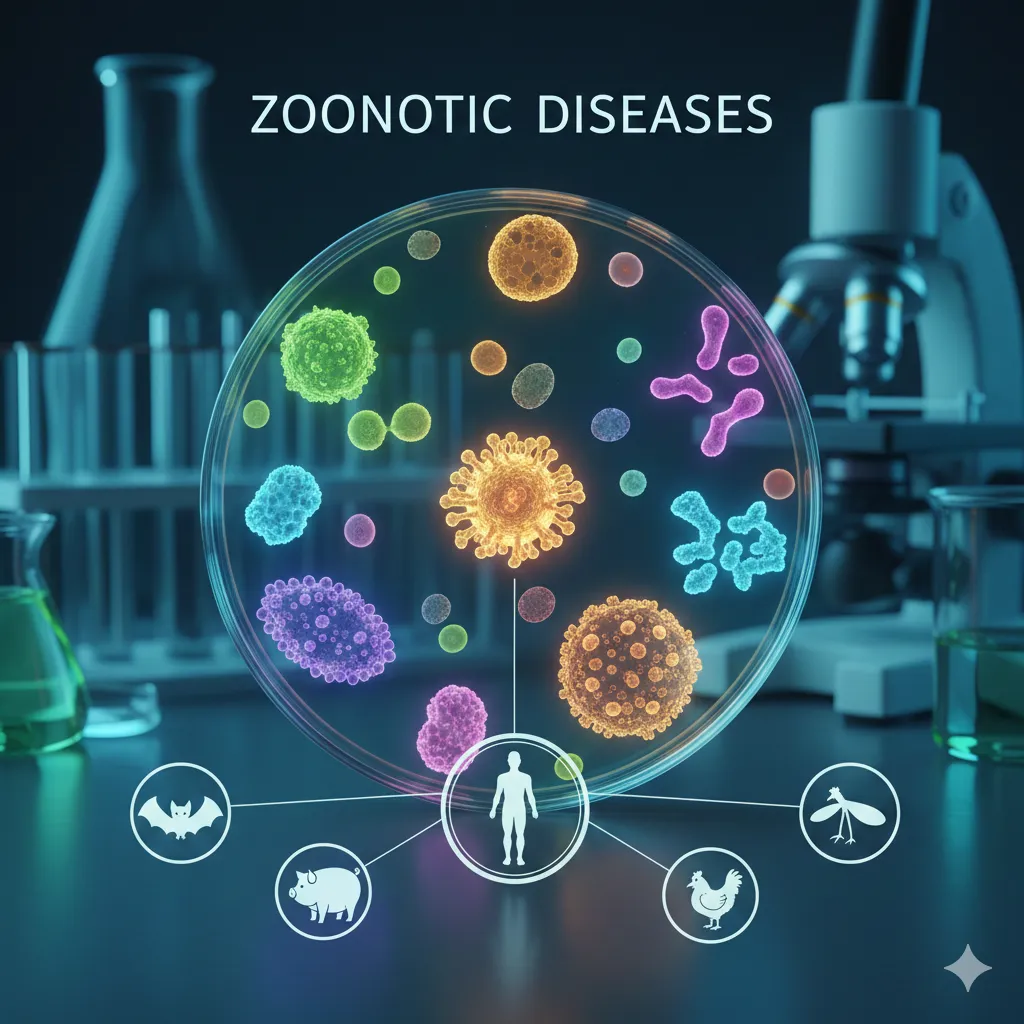
Zoonotic diseases, or zoonoses, are infectious diseases that can be naturally transmitted from vertebrate animals to humans and vice versa. They can be caused by various pathogenic agents, including viruses, bacteria, parasites, and fungi. The transmission can occur through direct contact with infected animals, indirect contact with contaminated environments, consumption of contaminated food or water, or via vectors like mosquitoes and ticks.
Classification of Zoonotic Diseases
Zoonotic diseases can be classified in several ways, offering different perspectives on their characteristics and impact.
1. Based on the Etiological Agent (Type of Pathogen):
This is a fundamental classification based on the biological nature of the infectious agent.
Viral Zoonoses: Caused by viruses that can infect both animals and humans.
Examples: Rabies (from mammals like dogs, bats, foxes), Avian Influenza (Bird Flu – from birds), Swine Influenza (Swine Flu – from pigs), Ebola Virus Disease (from bats and non-human primates), Nipah Virus (from fruit bats), Hantavirus (from rodents), Yellow Fever (from monkeys, transmitted by mosquitoes).
Characteristics: Often have a wide host range, can cause severe outbreaks, and may lead to pandemics.
Mode of Transmission: Direct contact with infected animals or their bodily fluids, consumption of contaminated products, vector-borne.
Bacterial Zoonoses: Caused by bacteria that can jump the species barrier.
Examples: Salmonellosis (from poultry, reptiles, amphibians), Brucellosis (from cattle, goats, sheep, pigs), Leptospirosis (from rodents, livestock, dogs), Anthrax (from livestock), Lyme Disease (from rodents, deer, transmitted by ticks), Plague (from rodents, transmitted by fleas), Tuberculosis (Bovine TB – from cattle).
Characteristics: Can cause a range of symptoms from mild to severe, some are treatable with antibiotics.
Mode of Transmission: Direct contact with infected animals or their excretions, consumption of contaminated food (milk, meat), vector-borne.
Parasitic Zoonoses: Caused by parasites (protozoa, helminths) that can complete part of their life cycle in animals and then infect humans.
Examples: Toxoplasmosis (from cats, undercooked meat), Echinococcosis (Hydatid Disease – from dogs, sheep), Trichinellosis (from pigs, wild boars), Cryptosporidiosis (from cattle, other livestock), Giardiasis (from various mammals), Leishmaniasis (from canids, rodents, transmitted by sandflies), Schistosomiasis (from freshwater snails, then to mammals including humans).
Characteristics: Can cause chronic infections, may affect various organ systems, often linked to hygiene and environmental factors.
Mode of Transmission: Ingestion of contaminated food or water, direct contact with infected animal feces, vector-borne.
Fungal Zoonoses (Mycoses): Caused by fungi. While less common than viral or bacterial zoonoses, they can still be significant.
Examples: Ringworm (Dermatophytosis – from cats, dogs, cattle), Histoplasmosis (from bird and bat droppings).
Characteristics: Primarily affect the skin, hair, and nails, but can cause systemic infections in immunocompromised individuals.
Mode of Transmission: Direct contact with infected animals, contact with contaminated soil or environments.
Prion Zoonoses: Caused by prions, which are misfolded proteins that can induce normal proteins to misfold.
Examples: Variant Creutzfeldt-Jakob Disease (vCJD – from cattle with Bovine Spongiform Encephalopathy or “Mad Cow Disease”).
Characteristics: Rare, progressive neurodegenerative disorders that are invariably fatal.
Mode of Transmission: Consumption of contaminated animal products (e.g., beef from BSE-infected cattle).
2. Based on the Type of Animal Reservoir:
This classification helps in identifying the primary animal species involved in maintaining the pathogen in nature.
Wild Animal Zoonoses: Pathogens maintained primarily in wild animal populations.
Examples: Rabies (bats, foxes, raccoons), Ebola (bats, non-human primates), Lyme Disease (deer, rodents), Hantavirus (rodents).
Significance: Often more challenging to control due to the difficulty in managing wild animal populations.
Domestic Animal Zoonoses: Pathogens maintained primarily in domestic animals (livestock, pets).
Examples: Brucellosis (cattle, goats, sheep), Anthrax (livestock), Salmonellosis (poultry, cattle), Toxoplasmosis (cats), Ringworm (dogs, cats, cattle).
Significance: Control efforts can focus on animal husbandry, vaccination, and food safety practices.
3. Based on the Transmission Cycle:
This classification describes how the pathogen circulates between animals and humans.
Direct Zoonoses: Transmitted directly from an infected vertebrate animal to a human via contact, bite, or aerosol.
Examples: Rabies, Brucellosis, Ringworm.
Cyclo-zoonoses: Require more than one vertebrate host species (but no invertebrate host) to complete the pathogen’s life cycle.
Examples: Echinococcosis (dogs, sheep, humans).
Meta-zoonoses: Transmitted through an invertebrate intermediate host (vector), where the pathogen multiplies or develops.
Examples: Lyme Disease (ticks), Plague (fleas), Leishmaniasis (sandflies), Yellow Fever (mosquitoes).
Sapro-zoonoses: Require an inanimate reservoir (e.g., soil, water, plants) in addition to the vertebrate host to complete the life cycle.
Examples: Anthrax (spores in soil), Histoplasmosis (fungus in soil enriched by bat/bird droppings).
Causes of Zoonotic Diseases
The emergence and spread of zoonotic diseases are complex, driven by a confluence of environmental, social, and biological factors.
Close Contact with Animals:
Animal Husbandry: Farmers, veterinarians, slaughterhouse workers, and those in direct contact with livestock are at higher risk.
Pet Ownership: Contact with pets can transmit diseases like Toxoplasmosis, Ringworm, and Salmonellosis.
Wildlife Interaction: Hunters, trappers, and individuals encroaching on wild habitats increase exposure to wild animal pathogens.
Environmental Changes and Habitat Destruction:
Deforestation and Urbanization: As human populations expand into previously wild areas, contact with wildlife increases, bringing humans closer to novel pathogens.
Climate Change: Alters ecosystems, expanding the geographical range of vectors (like mosquitoes and ticks) and their animal hosts, leading to new areas becoming endemic for certain diseases. Changes in temperature and rainfall can also affect pathogen survival and transmission.
Globalization and Travel:
International Travel: Infected individuals or animals can rapidly spread diseases across continents.
Global Trade: Live animal trade (pets, livestock, exotic animals) can introduce pathogens into new regions. Trade in animal products can also facilitate spread.
Food Safety Practices:
Contaminated Food/Water: Ingestion of raw or undercooked meat, unpasteurized dairy products, or water contaminated with animal feces.
Poor Hygiene: Inadequate handwashing after contact with animals or before food preparation.
Agricultural Practices:
Intensive Farming: Large numbers of animals in close confinement can facilitate rapid pathogen transmission and mutation, as seen with some influenza strains.
Use of Antibiotics: Overuse of antibiotics in livestock can contribute to antibiotic resistance, making zoonotic bacterial infections harder to treat.
Lack of Public Health Infrastructure:
Surveillance Gaps: Inadequate monitoring of animal and human populations for emerging pathogens.
Limited Diagnostic Capacity: Delays in identifying zoonotic diseases.
Insufficient Veterinary Services: Lack of animal vaccination programs or disease control measures in livestock.
Cultural Practices:
Bushmeat Consumption: Eating wild animals, especially if improperly handled or cooked, can expose humans to new pathogens.
Traditional Medicine: Use of animal products in some traditional remedies.
Prevention of Zoonotic Diseases
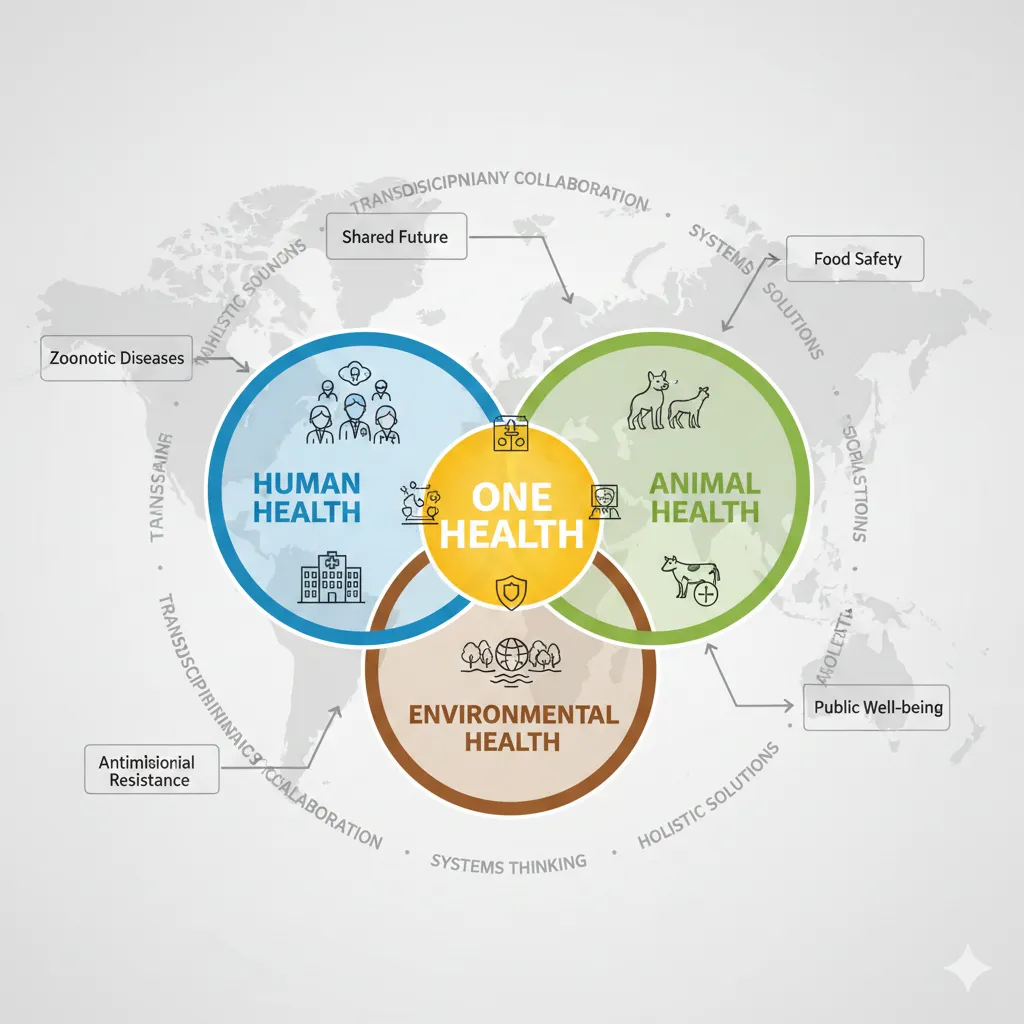
Effective prevention strategies are multifaceted, requiring collaboration across human, animal, and environmental health sectors (the “One Health” approach).
1. Public Awareness and Education:
Hygiene Practices: Promote frequent handwashing with soap and water after contact with animals, their environments, and before eating.
Food Safety: Educate on proper cooking temperatures for meat, safe handling of raw meat, and avoiding unpasteurized dairy.
Vector Control: Awareness of tick and mosquito bite prevention (repellents, protective clothing, removing standing water).
Pet Ownership: Responsible pet ownership, including regular veterinary check-ups, vaccinations, and parasite control.
2. Animal Health Management:
Vaccination Programs: Vaccinate domestic animals (e.g., rabies vaccination for dogs) and livestock against relevant zoonotic pathogens.
Disease Surveillance in Animals: Monitor animal populations (wild and domestic) for signs of disease and emerging pathogens.
Biosecurity Measures: Implement strict biosecurity on farms to prevent disease introduction and spread.
Parasite Control: Regular deworming and external parasite control for pets and livestock.
Responsible Pet Trade: Regulate the trade of exotic animals and ensure proper health screenings.
3. Environmental Management:
Habitat Conservation: Protect natural habitats to reduce human encroachment into wildlife areas.
Vector Control: Control mosquito and tick populations through environmental management (e.g., draining stagnant water, habitat modification).
Waste Management: Proper disposal of animal waste to prevent environmental contamination.
Rodent Control: Implement measures to control rodent populations around human dwellings and food storage areas.
4. Personal Protective Measures:
Protective Clothing: Wear long sleeves and pants, and use insect repellents when in areas with high vector activity.
Gloves and Masks: Use appropriate PPE when handling sick animals, their carcasses, or their waste.
Avoid Contact with Sick/Wild Animals: Advise against direct contact with wildlife, especially those that appear sick or behave unusually.
5. Food Safety Regulations and Practices:
Meat Inspection: Rigorous inspection of meat and poultry in slaughterhouses.
Pasteurization: Ensure dairy products are pasteurized.
Traceability Systems: Implement systems to trace animal products from farm to fork.
Hygiene in Food Production: Strict hygiene standards in all stages of food production, processing, and distribution.
6. International Collaboration:
Information Sharing: Rapid sharing of information on emerging zoonotic threats between countries and international organizations (WHO, OIE, FAO).
Coordinated Response: Joint efforts to control cross-border disease outbreaks.
Control of Zoonotic Diseases
Once a zoonotic disease emerges or spreads, control measures focus on limiting its impact and preventing further transmission.
1. Early Detection and Surveillance:
Integrated Surveillance Systems: Establish robust “One Health” surveillance systems that integrate data from human and animal health sectors to detect outbreaks early.
Laboratory Diagnostics: Ensure access to rapid and accurate diagnostic tests for both human and animal samples.
Reporting Systems: Encourage mandatory reporting of zoonotic diseases by health professionals and veterinarians.
2. Rapid Response and Outbreak Management:
Containment: Isolate infected individuals (human or animal) to prevent further spread.
Contact Tracing: Identify and monitor individuals who have been in contact with infected cases.
Quarantine: Restrict movement of potentially exposed animals or humans.
Culling/Depopulation: In severe livestock outbreaks (e.g., highly pathogenic avian influenza), controlled culling of infected or exposed animals may be necessary to contain the spread, followed by safe disposal of carcasses.
Treatment: Provide appropriate medical treatment for infected humans and animals. This includes antibiotics for bacterial infections, antivirals for some viral infections, and antiparasitics for parasitic diseases.
3. Vector Control in Outbreaks:
Targeted Insecticide Application: Use insecticides to reduce vector populations (e.g., mosquito spraying, tick control).
Environmental Cleanup: Eliminate breeding sites for vectors.
4. Vaccination and Post-Exposure Prophylaxis:
Emergency Vaccination: Implement emergency vaccination campaigns for at-risk human or animal populations during outbreaks.
Post-Exposure Prophylaxis: Administer vaccines or immunoglobulins after potential exposure (e.g., rabies post-exposure prophylaxis).
5. Communication and Risk Management:
Transparent Communication: Provide clear, timely, and accurate information to the public about the outbreak, risks, and preventive measures.
Community Engagement: Involve local communities in control efforts, respecting cultural sensitivities.
6. Research and Development:
New Diagnostics: Develop faster, more accurate, and point-of-care diagnostic tests.
Vaccine Development: Research and develop new vaccines for emerging zoonotic threats.
Therapeutics: Identify and develop effective antiviral, antibacterial, or antiparasitic drugs.
Epidemiological Studies: Understand the epidemiology, transmission dynamics, and risk factors of zoonotic diseases.
The “One Health” Approach
The “One Health” concept is critical to the successful prevention and control of zoonotic diseases. It recognizes that the health of humans, animals, and the environment are interconnected. Addressing zoonoses effectively requires a collaborative, multisectoral, and transdisciplinary approach involving experts from public health, veterinary medicine, environmental science, agriculture, and other relevant fields at local, national, and global levels.
Key Terms and Concepts
| Term | Definition |
| Zoonosis (Zoonotic Disease) | An infectious disease that is transmissible from animals to humans and vice versa. |
| Reservoir Host | An animal species in which a pathogen lives and multiplies without necessarily causing disease, serving as a source of infection for other animals and humans. |
| Vector | An organism (e.g., mosquito, tick, flea) that transmits a pathogen from an infected host to a susceptible host. |
| Spillover Event | The transmission of a pathogen from a wild animal reservoir to a human or domestic animal population. |
| Epidemic | A widespread occurrence of an infectious disease in a community at a particular time. |
| Pandemic | An epidemic that has spread over several countries or continents, affecting a large number of people. |
| One Health | A collaborative, multisectoral, and transdisciplinary approach working to achieve optimal health outcomes by recognizing the interconnection between people, animals, plants, and their shared environment. |
| Biosecurity | Measures taken to prevent the introduction and spread of harmful organisms (e.g., viruses, bacteria) to animals or crops. |
| Anthropozoonoses | Diseases transmitted from animals to humans. |
| Zooanthroponoses | Diseases transmitted from humans to animals. |
Frequently Asked Questions (FAQ)
Q1: What is the most common zoonotic disease?
A1: It’s difficult to name a single “most common” as it varies by region and definition. However, some of the most widespread and globally significant bacterial zoonoses include Salmonellosis and Campylobacteriosis (often foodborne), and parasitic zoonoses like Toxoplasmosis. Rabies is also globally significant due to its high fatality rate, though it’s less common in developed countries with widespread pet vaccination.
Q2: How do zoonotic diseases get from animals to humans?
A2: Zoonotic diseases can transmit in several ways:
Direct Contact: Touching an infected animal, its blood, saliva, feces, or urine (e.g., rabies from a bite, ringworm from touching an infected pet).
Indirect Contact: Contact with areas where animals live and roam, or objects and surfaces contaminated with animal germs (e.g., salmonella from contaminated surfaces in a chicken coop).
Vector-borne: Through bites from infected arthropods like mosquitoes, ticks, or fleas (e.g., Lyme disease from ticks, Yellow fever from mosquitoes).
Foodborne: Eating or drinking contaminated food products (e.g., raw or undercooked meat, unpasteurized milk, contaminated produce).
Waterborne: Drinking or coming into contact with water contaminated with animal feces.
Q3: Can pets transmit zoonotic diseases?
A3: Yes, pets can transmit zoonotic diseases. Examples include rabies (dogs, cats, ferrets), Toxoplasmosis (cats), Salmonellosis (reptiles, amphibians, sometimes dogs/cats), Ringworm (dogs, cats, other pets), and internal parasites. Regular veterinary care, vaccination, deworming, and good hygiene practices (especially handwashing) are crucial for prevention.
Q4: What is the “One Health” approach and why is it important for zoonotic diseases?
A4: The “One Health” approach recognizes that human health is inextricably linked to animal health and the health of our shared environment. It’s crucial for zoonotic diseases because pathogens don’t respect species boundaries. Effective prevention and control require collaboration across human medicine, veterinary medicine, environmental science, and public policy. For example, controlling rabies involves vaccinating dogs (animal health) to protect humans (human health).
Q5: What are some simple steps individuals can take to prevent zoonotic diseases?
A5:
Wash Your Hands: Frequently with soap and water, especially after contact with animals, their food, or their waste; after being outdoors; and before eating.
Practice Food Safety: Cook meat thoroughly, avoid cross-contamination, and avoid unpasteurized dairy.
Prevent Bites: Use insect repellent and wear protective clothing to avoid mosquito and tick bites.
Avoid Wild Animals: Do not feed, touch, or approach wild animals, especially those that appear sick.
Responsible Pet Ownership: Keep pets up-to-date on vaccinations and deworming, and practice good hygiene around them.
Be Aware of Travel Risks: Research potential zoonotic risks when traveling to different regions.
Q6: Are zoonotic diseases only a problem in developing countries?
A6: No, zoonotic diseases are a global concern, affecting both developing and developed countries. While certain diseases might be more prevalent in specific regions due to environmental factors, agricultural practices, or limited public health resources, global travel and trade mean that outbreaks can occur anywhere. Lyme disease (tick-borne) is a significant zoonosis in many developed countries, for example.
Q7: How does climate change affect zoonotic diseases?
A7: Climate change significantly impacts zoonotic diseases by:
Expanding Vector Ranges: Warmer temperatures allow vectors like mosquitoes and ticks to survive in new geographical areas, spreading diseases like West Nile virus or Lyme disease.
Altering Wildlife Habitats: Changes in temperature and precipitation can force wildlife into closer contact with human populations, increasing spillover risk.
Impacting Pathogen Survival: Environmental changes can affect the survival and replication rates of pathogens in the environment.
Food and Water Security: Extreme weather events can contaminate food and water supplies, leading to outbreaks of foodborne or waterborne zoonoses.
References
World Health Organization (WHO): Zoonoses Overview This resource provides the primary definition and global health impact statistics for over 200 known types of zoonoses. https://www.who.int/news-room/fact-sheets/detail/zoonoses
Centers for Disease Control and Prevention (CDC): One Health Framework (2025–2029) A comprehensive guide on the multisectoral approach to preventing and controlling zoonotic threats in modern ecosystems. https://www.cdc.gov/one-health/media/pdfs/2025/01/354391-A-NOHF-ZOONOSES-508_FINAL.pdf
Food and Agriculture Organization (FAO): Zoonotic Disease Priority Areas Focuses on the link between food safety, animal husbandry, and zoonotic transmission. https://www.fao.org/one-health/areas-of-work/zoonoses/en
World Organisation for Animal Health (WOAH): World Animal Health Information System (WAHIS) The global reference platform for official data on epidemiologically important diseases in domestic and wild animals. https://www.woah.org/en/what-we-do/animal-health-and-welfare/disease-data-collection/
MDPI – “One World, One Health: Zoonotic Diseases, Parasitic Diseases, and Infectious Diseases” A peer-reviewed article exploring the interconnectedness of human and animal health and the role of environmental factors. https://www.mdpi.com/2227-9032/12/9/922
PubMed Central (PMC): “A Generalizable One Health Framework for the Control of Zoonotic Diseases” Detailed scientific analysis of surveillance strategies and diagnostic laboratory systems for zoonotic pathogens. https://pmc.ncbi.nlm.nih.gov/articles/PMC9124177/
Frontiers in Microbiology: “One Health Paradigm to Confront Zoonotic Health Threats” A study on factors influencing the emergence of zoonoses, including climate change and urbanization. https://www.frontiersin.org/journals/microbiology/articles/10.3389/fmicb.2021.719334/full